

EBANEL SKINCARE BLOG

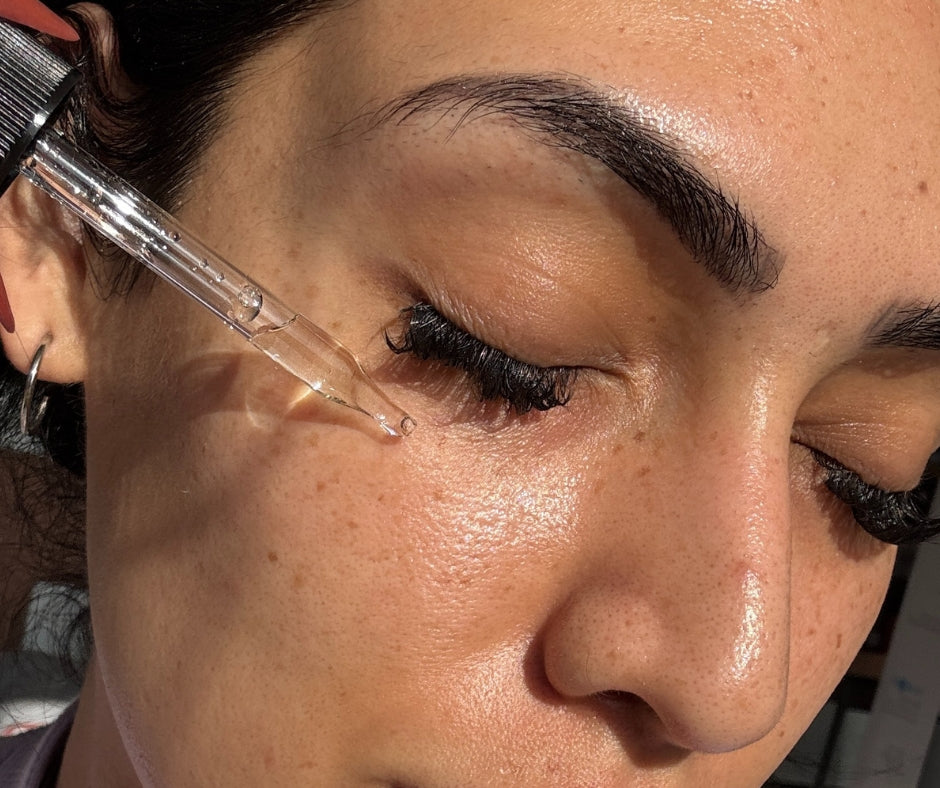
All The Benefits of 20% Vitamin C Serum
Vitamin C is a well-known nutrient for overall health, but its benefits extend beyond just dietary needs. In skincare, Vitamin C is a potent ingredient that can transform your skin, offering a multitude of benefits from brightening to protecting. Our Liposomal Vitamin C 20% Serum is specially formulated to maximize these benefits, making it a vital addition to your daily skincare regimen. The Science Behind Vitamin C in Skincare Vitamin C, also known as ascorbic acid, is an antioxidant that is crucial in maintaining skin health. It works by neutralizing free radicals—unstable molecules that can damage skin cells and accelerate aging. When applied topically, Vitamin C can offer the following benefits: Brightening and Evening Skin Tone Vitamin C inhibits the enzyme tyrosinase, which is responsible for melanin production. By slowing down melanin synthesis, Vitamin C helps reduce dark spots, hyperpigmentation, and discoloration, leading to a more even and brighter skin tone. Anti-Aging Properties As we age, our skin’s collagen production naturally decreases, leading to the formation of wrinkles and fine lines. Vitamin C stimulates collagen production, a protein that is essential for maintaining skin elasticity and firmness. This helps to reduce the appearance of wrinkles, giving the skin a more youthful and smooth appearance. Enhanced Sun Protection While Vitamin C is not a substitute for sunscreen, it offers an additional layer of protection against UV rays. When combined with sunscreen, Vitamin C helps to prevent sunburn and long-term sun damage by neutralizing free radicals generated by UV exposure. This dual approach helps reduce the risk of photoaging and premature aging caused by the sun. Accelerating Skin Repair Vitamin C is known to speed up the skin’s natural repair process. It aids in the healing of wounds and reduces the appearance of scars, making it particularly beneficial for those dealing with acne scars or post-inflammatory hyperpigmentation. Reducing Inflammation In addition to its antioxidant properties, Vitamin C has anti-inflammatory effects that can help soothe and calm irritated skin. This makes it an excellent choice for those with sensitive skin or inflammatory conditions like rosacea. The Power of Liposomal Technology Our Liposomal Vitamin C 20% Serum is more than just a regular Vitamin C serum. It uses advanced liposomal technology, which significantly enhances the serum’s effectiveness. But what exactly is liposomal technology, and how does it benefit your skin? Deeper Penetration: Liposomes are tiny spherical vesicles that encapsulate the Vitamin C molecules, allowing them to penetrate deeper into the skin layers. This ensures that the active ingredients reach the areas where they are most needed, providing more targeted and effective results. Increased Stability: Vitamin C is notoriously unstable and can degrade when exposed to light, air, or heat. The liposomal encapsulation protects Vitamin C from environmental factors, maintaining its potency over time. This means you get a more stable and longer-lasting product that delivers consistent results. The Added Benefits of Our Serum Our Liposomal Vitamin C 20% Serum doesn’t just stop at Vitamin C. We’ve enriched the formula with additional ingredients that work synergistically to enhance its effectiveness: Sodium Hyaluronate: A derivative of hyaluronic acid, Sodium Hyaluronate has a smaller molecular size, allowing it to penetrate the skin more deeply. It draws moisture into the skin, providing intense hydration and leaving it plump and smooth. Vitamin E: Known for its antioxidant properties, Vitamin E works in conjunction with Vitamin C to protect the skin from environmental stressors such as pollution and UV rays. It also helps to strengthen the skin barrier, preventing moisture loss and keeping the skin hydrated. Ferulic Acid: This powerful antioxidant boosts the stability and effectiveness of Vitamin C and E. Ferulic Acid helps to neutralize free radicals, reducing oxidative stress, and preventing premature aging. Who Should Use Our Liposomal Vitamin C 20% Serum? Our serum is suitable for all skin types, including: Dry Skin: The hydrating properties of Sodium Hyaluronate make this serum ideal for those with dry skin, helping to lock in moisture and prevent dryness. Sensitive Skin: The gentle, yet powerful formula is designed to brighten and protect sensitive skin without irritating. Mature Skin: If you’re concerned about fine lines, wrinkles, and loss of elasticity, this serum can help rejuvenate and firm your skin. How to Incorporate It into Your Routine For best results, apply the Liposomal Vitamin C 20% Serum in the morning after cleansing and toning your skin. Use a few drops on your face and neck, and gently massage it into the skin. Follow with a moisturizer and sunscreen to protect your skin from UV damage. Experience the Transformation Our Liposomal Vitamin C 20% Serum is a transformative experience for your skin. It offers unbeatable value with the benefits of advanced technology and high-quality ingredients. With over 478 reviews, this serum has become a favorite among our customers for its ability to deliver visible results.
Learn more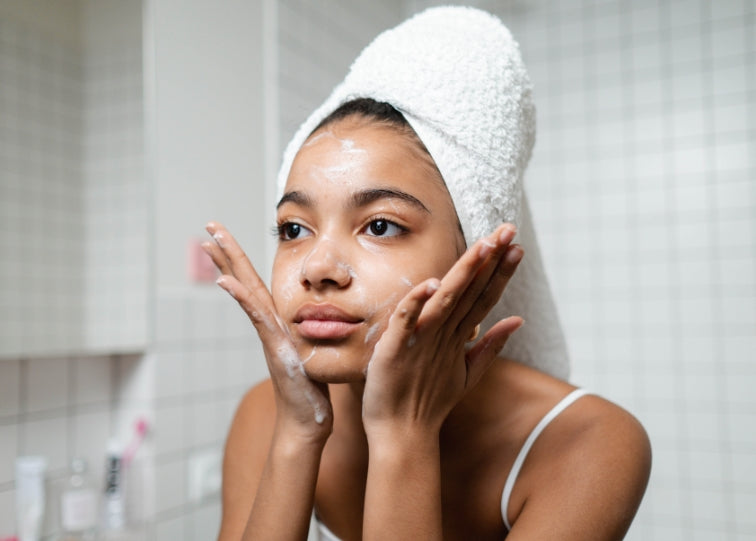
The Basics of Skincare: A Beginner's Guide
Skincare has quickly become an essential part of our daily lives, with countless products and routines promising flawless skin. However, the volume of information can be overwhelming for those just starting. Whether you want to address specific skin concerns or simply maintain healthy skin, understanding the basics is the first step towards achieving your skincare goals. This beginner’s guide will give you the fundamental knowledge and steps to build an effective and manageable skincare routine. Understanding Your Skin Type: Knowing your skin type helps you choose the right products tailored to your specific needs. Normal: Balanced skin, not too oily or dry. Oily: Excess sebum production, leading to shine and breakouts. Dry: Lacks moisture, often feeling tight or flaky. Combination: Oily in the T-zone and dry elsewhere. Sensitive: Reacts easily to products, often with redness or irritation. Cleansing: The First Step: Cleansing removes dirt, oil, and impurities that can clog pores and lead to breakouts. Cleanse your face twice a day, in the morning and before bed. Use a foaming or gel cleanser for oily skin, a hydrating cream cleanser for dry skin, and gentle, fragrance-free cleansers for sensitive skin. Exfoliation: Sloughing Off Dead Skin: Exfoliation removes dead skin cells, revealing a brighter complexion. However, it should be done in moderation to avoid irritation. Exfoliate 1-3 times a week, depending on your skin type and the product used. Choose physical exfoliants (scrubs) or chemical exfoliants (AHAs, BHAs) based on your skin's tolerance and needs. Physical Exfoliant Product Recommendation: Ultimate Brightening Peeling Gel: Contains natural moisture-rich cellulose to gently remove dead skin cells, impurities, and clogged pores, offering intensive yet gentle exfoliation without irritation. Chemical Exfoliant Product Recommendation: 30% AHA + 2% BHA Chemical Peeling Gel: Exfoliates dead skin cells, smooths texture, brightens skin tone, unclogs pores, boosts collagen, and fades dark spots and acne scars. Moisturizing: Locking in Hydration: Moisturizing maintains your skin's barrier and prevents moisture loss. Apply moisturizer twice daily. Lightweight lotions or gels work well for oily skin, while creams or ointments are better for dry skin. Look for ingredients like hyaluronic acid, glycerin, and ceramides. Product Recommendations: Liposomal Retinol Moisturizer: A Retinol moisturizer cream that reveals visibly younger-looking skin in just 2 weeks. It moisturizes and leaves skin deeply hydrated for up to 24 hours while smoothing the appearance of fine lines, dark spots, and wrinkles. Hyaluronic Collagen Sheet Mask Pack: This 20-minute collagen sheet mask with hyaluronic acid, marine collagen, peptides, and fruit stem-cell extracts reduces aging signs, smooths wrinkles, and brightens skin. The absorbent sheets contour to your face, retaining moisture and hydrating stressed skin. Liposomal Hyaluronic Peptide Serum: Minimizes water loss and strengthens the moisture barrier for plumper skin. Packed with professional-strength ingredients and organic botanical oils, it boosts collagen, firms, lifts, and deeply hydrates. Sun Protection: The Ultimate Shield: Sun protection is non-negotiable for preventing premature aging and skin cancer. Use a broad-spectrum sunscreen with at least SPF 30 every day, even on cloudy days. Reapply every two hours when outdoors, and after swimming or sweating. Targeted Treatments: Addressing Specific Concerns: Depending on your skin concerns, you may want to incorporate targeted treatments such as serums or spot treatments. Serums are concentrated formulas designed to address specific issues like dark spots, wrinkles, or acne. Common ingredients include vitamin C, retinol, and niacinamide. Spot treatments with benzoyl peroxide or salicylic acid can be effective for acne-prone skin. Product Recommendations: Dr Brightening Ultra-Potent Facial Serum: Helps brighten and even out skin tone and texture. Acne Bio Drying Lotion: An on-the-spot solution for unwanted blemishes, and the perfect overnight acne treatment. Building a Routine: Keep It Simple: When starting out, simplicity is key. A basic routine includes: Cleanser Moisturizer Sunscreen (morning) Exfoliant (1-3 times a week) Serum or treatment (optional) Consistency Is Key: Skincare results take time. Stick to your routine consistently and be patient. It can take a few weeks to see noticeable changes. Listen to Your Skin: Pay attention to how your skin reacts to different products. If you experience irritation, redness, or breakouts, reassess your routine and consider consulting a dermatologist. Final Thoughts: Building a skincare routine doesn't have to be complicated. By understanding your skin type and incorporating basic steps, you can create a solid foundation for healthy, radiant skin. Remember to be patient and consistent, and don't hesitate to seek professional advice if needed.
Learn more
Dark Spots: Causes, Types, and Effective Solutions
Dark spots, often referred to as hyperpigmentation, are a common skin concern affecting individuals of all ages and skin types. Whether caused by sun exposure, hormonal changes, or skin trauma, these patches of darker skin can be bothersome and impact one's confidence. In this blog post, we'll look into what dark spots are, the different types, and their causes, and introduce an effective solution: Ebanel Dark Spot Remover. What are Dark Spots? Dark spots, medically known as hyperpigmentation, are areas of the skin that appear darker than the surrounding skin tone. This occurs due to excess melanin production, the pigment responsible for giving skin its color. While they are usually harmless, dark spots can be aesthetically displeasing and may prompt people to seek treatment to improve their appearance. Different Kinds of Dark Spots: Sunspots or Solar Lentigines: These dark spots typically develop as a result of prolonged exposure to the sun's harmful ultraviolet (UV) rays. They are commonly found on areas of the skin that receive the most sun exposure, such as the face, hands, shoulders, and arms. Post-inflammatory Hyperpigmentation (PIH): PIH occurs following skin trauma, such as acne, burns, cuts, or insect bites. Inflammatory responses trigger an overproduction of melanin, leading to dark patches in the affected areas. Melasma: Melasma presents as larger patches of darkened skin, often on the face, and is commonly associated with hormonal changes, such as pregnancy or birth control pill usage. How do They Form? Dark spots form when melanocytes, the cells responsible for making melanin, become overactive or damaged. This can happen due to various factors, including: UV exposure: Sun exposure stimulates melanin production, leading to the formation of sunspots. Hormonal changes: Fluctuations in hormone levels, such as during pregnancy or menopause, can trigger melasma. Inflammation: Skin injuries or inflammatory conditions can cause PIH. Genetics: Some individuals are genetically predisposed to developing dark spots. How Long Do They Last? The duration of dark spots varies depending on their cause, each individual’s metabolism, and the effectiveness of treatment. Sunspots may fade over time with sun protection and skincare interventions, while melasma may persist for years without proper management. Consistent use of targeted skincare products can accelerate the fading process and prevent new spots from forming. Ebanel Dark Spot Remover: Ebanel Dark Spot Remover is a comprehensive solution formulated to effectively address various types of hyperpigmentation. Its key ingredients, including Synovea HR, 4-Butylresorcinol, Glutathione, Niacinamide, and Kojic Acid, work synergistically to brighten the skin, even out tone, reduce the appearance of dark spots, and accelerate skin turnover What is Synovea® HR? the new gold standard in skin lightening. safe & effective active skin lightener with skin protective properties. works by modulating the melanogenesis pathway. clinically proven to be four times more effective than Hydroquinone. Globally Approved. Features of Ebanel Dark Spot Remover: Brightens skin effectively with clinically proven ingredients. Contains a blend of AHA and BHA for skin rejuvenation and exfoliation. Infused with anti-aging ingredients to renew and soothe the skin. Suitable for use on the face, body, and all skin tones. Made in the USA, cruelty-free, hypoallergenic, and free from harmful additives. Dark spots are a common skin concern that can be effectively addressed with the right skincare products and treatments. Ebanel Dark Spot Remover offers a comprehensive solution for brightening the skin, reducing hyperpigmentation, and promoting a more radiant complexion. With consistent use and proper sun protection, individuals can achieve noticeable results and regain confidence in their skin's appearance.
Learn more
What is AHA and BHA?
When it comes to skincare, two powerful ingredients that can transform your skin are Alpha Hydroxy Acid (AHA) and Beta Hydroxy Acid (BHA). Despite their scientific names, these compounds offer a range of rejuvenating benefits for your skin. What is AHA? Alpha Hydroxy Acid, or AHA, is a group of naturally occurring acids found in various fruits and milk. The most common types used in skincare are glycolic acid (derived from sugar cane), lactic acid (found in sour milk and yogurt), and citric acid (abundant in citrus fruits). These acids work primarily on the skin's surface, effectively exfoliating dead skin cells and promoting cell turnover, leading to smoother, brighter, and more even-toned skin. According to the FDA, smoothing fine lines and surface wrinkles, improves skin texture and tone, unblocking and cleansing pores, and improves skin condition in general. What is BHA? Beta Hydroxy Acid, or BHA, most commonly refers to salicylic acid. Unlike AHAs, BHA is oil-soluble, which means it can penetrate deep into the pores, making it particularly effective for treating acne and blackheads. BHA works by purifying and exfoliating the inside of the pore and reducing inflammation, making it a good ingredient for those with oily or acne-prone skin. What Do They Treat? AHA: Exfoliates dead skin cells Smooths skin texture Brightens skin tone Fades dark spots and acne scars Boosts collagen production Improves the appearance of fine lines and wrinkles BHA: Exfoliates inside the pores Unclogs and minimizes pores Reduces acne and blackheads Controls oil production Soothes inflammation When combined, AHA and BHA can complement each other to provide even more benefits for the skin. While AHAs work on the surface to exfoliate and brighten, BHAs dive deep into the pores, ensuring thorough cleansing and preventing breakouts. They create a pair that achieves clearer and smoother skin. Skin Conditions Improved by combining AHA and BHA The combination of AHA and BHA can effectively address a variety of common skin concerns, including: Dullness Uneven tone Fine lines and wrinkles Dark spots and hyperpigmentation Acne and blackheads Ebanel Chemical Peeling Gel: AHA 30% + BHA 2% The Chemical Peeling Gel has the benefits of both AHA and BHA and uses 30% AHA and 2% BHA. This potent exfoliating treatment offers these benefits: Smooths and brightens the skin Unclogs and minimizes pores Fades dark spots and acne scars Boosts collagen production Suitable for use on both the face and body Experience the ultimate in skincare with our revolutionary formula infused with green tea extract, chamomile extract, and vitamin E. These carefully selected ingredients work synergistically to calm and soothe your skin, leaving it feeling nourished and rejuvenated. Say goodbye to rough, irritated skin and hello to a softer, smoother, and more radiant complexion. Incorporating AHA and BHA into your skincare routine can unlock smoother texture and a more even tone. Whether you're dealing with acne, aging skin, or simply seeking a radiant complexion, the combination of these ingredients can help you achieve this. Remember to patch-test new products and always follow up with sunscreen to protect your newly rejuvenated skin from sun damage.
Learn more
Debunking Retinol Myths: Facts vs. Fictions
Retinol has long been hailed as a skincare hero, with its ability to combat signs of aging and improve overall skin health. However, along with its popularity, numerous myths and misconceptions have emerged. This article will debunk common myths surrounding retinol, backed by scientific evidence and expert opinions. Additionally, we'll explore the benefits of retinol through the lens of Ebanel liposomal retinol peptide serum, dissecting its ingredients and their contributions to skincare. Myth #1: Retinol is Too Harsh for Sensitive Skin While retinol can initially irritate, especially in high concentrations, it can be suitable for sensitive skin when used correctly. The key lies in starting with a lower concentration and gradually increasing usage frequency. Additionally, formulations that combine retinol with soothing and hydrating ingredients like hyaluronic acid and jojoba seed oil can mitigate potential irritation. Myth #2: Retinol is Only Suitable for Mature Skin Contrary to popular belief, retinol benefits individuals of all ages, not just those with mature skin. Its ability to stimulate collagen production and accelerate cell turnover can improve skin texture, tone, and overall appearance in younger individuals as well. Incorporating retinol into a skincare routine early on can help prevent premature signs of aging, and ward off pollution and UV-generated free radical damage According to VeryWellHealth.com Retinol can target many skin conditions: Improves skin texture Helps prevent water loss through the skin which can lead to dryness Improves or prevents the development of fine lines and wrinkles Helps fade dark spots Helps unclog blocked pores and allows topical antibiotics to enter the pores better in people with mild acne Helps unclog pores and promote cell turnover in treating keratosis pilaris, a bumpy skin rash Myth: Retinol Causes Skin to Thin There is a common misconception that retinol thins the skin over time. However, scientific research suggests otherwise. Retinol thickens the deeper layers of the skin by stimulating collagen production and increasing cell turnover. This results in firmer, more resilient skin with improved texture and elasticity. Here is a video of Dr. Ryan Riahi, a board-certified dermatologist explaining: @ryanriahimd #tellme #tellmewithouttellingme #retinol #retinoid #skincarehacks #skincarecheck #antiaging #retinoltips ♬ original sound - ryanriahimd Ebanel Liposomal Retinol Peptide Serum: Ingredient Breakdown Retinol: A derivative of vitamin A known for its anti-aging properties, including collagen production and skin renewal. Peptide Complex: A blend of peptides with various functions, including lightening skin tone, stimulating cell turnover, and promoting collagen production. Hyaluronic Acid: A hydrating ingredient that plumps and moisturizes the skin, helping to maintain a youthful appearance. Vitamin B5 (Panthenol): A hydrating ingredient that attracts moisture to the skin, helping to keep it soft and supple. Vitamin C: A powerful antioxidant that brightens the skin, evens out skin tone, and protects against environmental damage. Vitamin E: Another antioxidant that protects the skin from free radicals and helps maintain its health and elasticity. Alpha Arbutin: A skin-brightening ingredient that helps fade hyperpigmentation and dark spots, promoting a more even complexion. Resveratrol: An antioxidant that combats photoaging and helps reduce pigmentation. Jojoba Seed Oil: An emollient that balances oil levels and moisturizes the skin. Witch Hazel Extract: A natural astringent that controls inflammation and tightens the skin. Retinol remains a cornerstone of effective skincare, offering a multitude of benefits for individuals of all ages and skin types. By dispelling common myths and understanding the science behind retinol, we can harness its power to achieve healthier, more youthful-looking skin. With products like Ebanel liposomal retinol peptide serum, which combines retinol with other skin-loving ingredients, achieving radiant skin is within reach for everyone.
Learn more
Dimethicone in Scar Master
Amidst the dynamic skincare landscape, let's shed light on the often-overlooked ingredient - Dimethicone. This extraordinary ingredient is the cornerstone of Scar Master – a product designed to effectively minimize various types of scars, including burn scars, wound scars, post-acne scars, surgical scars, scars from insect bites, and stretch marks. Dimethicone: A Closer Look According to Medical News Today, Dimethicone, also known as polydimethylsiloxane, is a substance that comes from silicone. Silicone comes from silica, which is a natural compound present in sand, sandstone, granite, and quartz. Dimethicone is renowned for its skin-conditioning properties. In the context of Scar Master, it actively prevents transepidermal water loss by establishing a breathable, water-resistant barrier on the skin. This non-comedogenic and self-drying barrier retains moisture and prevents excessive collagen production in the scar tissue. It helps soften and flatten raised scars, diminish redness, and improve the appearance of old and new scars. Unveiling the Mechanism Dimethicone can increase the Transforming Growth Factor (TGFB-3) within the skin. This growth factor is instrumental in minimizing scarring, making Dimethicone a powerful ingredient in pursuing healthier, scar-free skin. The hypoallergenic and non-comedogenic nature of Dimethicone further solidifies its status as an ideal choice for individuals with easily-irritated complexions. The Symphony of Ingredients in Scar Master Let's go through Scar Master's concoction of ingredients, each playing a unique role in promoting skin health and resilience: Onion Bulb Extract: This potent anti-inflammatory agent reduces inflammation and discoloration and inhibits collagen production. For individuals with keloid scars, Onion Bulb Extract proves particularly beneficial due to its anti-inflammatory properties, collagen inhibition, and potential to reduce discoloration, contributing to a more controlled healing process and improved skin appearance. Allantoin: Derived from the comfrey plant, Allantoin takes the spotlight for its skin-softening and protective properties. It actively soothes the skin and stimulates cell regeneration, contributing significantly to Scar Master's efficacy. Emu Oil: Abundant in Omega-3, Omega-6, and Omega-9 fatty acids, Emu Oil is a multi-functional ingredient. It reduces inflammation, promotes wound healing, and nourishes skin cells. Vitamin E: Recognized for its ability to block free radicals and stimulate the regeneration of new skin cells, Vitamin E enhances Scar Master's capability to lighten scars and brown spots. Plankton Extract: With moisture-binding properties and a rich fatty acid content, Plankton Extract emerges as a vital contributor to Scar Master. It aids in improving damaged skin and boasts antibacterial properties, enhancing the product's overall effectiveness. The Scar Master Advantage: A Deeper Dive Decoding Scar Formation Understanding the intricacies of scar formation is pivotal. Scar tissue tends to exhibit excessive trans-epidermal water loss post-wound healing, which stimulates keratinocytes to produce cytokines. This, in turn, activates fibroblasts to synthesize collagen, potentially leading to abnormal scarring. Scar Master's Strategic Approach Scar Master steps into the arena as a solution that down-regulates keratinocyte stimulation, allowing oxygen to penetrate the skin while maintaining essential moisture. Real Results with Scar Master Endorsements by dermatologists and plastic surgeons underscore Scar Master's credibility as a reliable solution for various scar types. Whether your scars are old or recent, Scar Master stands to support your skin's renewal process. In conclusion, the blend of Dimethicone and other potent ingredients in Scar Master creates a formidable formula to effectively combat scars.
Learn more
Using Liposomal Retinol Moisturizer in Your Daily Skincare Routine
The Liposomal Retinol Moisturizer is a powerful cream that is designed to reveal the secrets of visibly younger-looking skin. This moisturizer is a game-changer, thanks to its dual benefits of retinol and liposomal technology, which addresses various skincare concerns. Let's take a closer look at the science behind this product and explore a detailed guide on how to incorporate it into your daily routine. What is Liposomal technology? Liposomal technology involves the use of liposomes—small vesicles with lipid bilayers similar to cell membranes. These liposomes can encapsulate active skincare ingredients. According to the National Library of Medicine, Their similar structure to biological membranes allows penetration into the epidermal barrier, compared with other delivery systems. This technology is employed to enhance the delivery, stability, and absorption of ingredients. What does retinol help with? According to The Skin Spot, here is the list of benefits: Treats acne Clears pores Speeds cellular turnover Increases collagen production Decreases hyperpigmentation Brightens skin Diminishes and prevents fine lines and wrinkles Refines skin texture and tone Reducing Fine Lines and Wrinkles One of the standout features of the Liposomal Retinol Moisturizer is its ability to diminish the appearance of wrinkles, crow’s feet, and fine lines. Retinol stimulates collagen production, a key factor in maintaining skin elasticity and a smooth texture. Collagen Boost for Youthful Skin By promoting collagen, the moisturizer actively contributes to a skin structure, ensuring a firm and supple complexion over time. Combatting Skin Imperfections Blemish Control The multitasking nature of this moisturizer extends to addressing breakouts and blemishes, offering a comprehensive solution for those looking for clearer and healthier-looking skin. Tackling Hyperpigmentation Dark spots and hyperpigmentation are effectively targeted, resulting in a more even and radiant skin tone. This makes the Liposomal Retinol Moisturizer great for those struggling with skin discoloration. How to Incorporate Liposomal Retinol Moisturizer Step 1: Prep Your Face Gentle Cleansing: Initiate your skincare routine by cleansing your face thoroughly. Following this, apply a dedicated eye cream to safeguard the delicate skin surrounding your eyes. Step 2: Ensure Optimal Dryness Patience is Key: Allow your skin to air-dry completely before applying the retinol moisturizer. Dry skin ensures that the product is absorbed optimally and minimizes the risk of irritation. Step 3: Precision Application The application: Take a pea-sized amount of the Liposomal Retinol Moisturizer and, commencing at your chin, apply it with gentle yet deliberate upward and outward motions. This technique ensures even distribution and absorption. Step 4: Hydration is Paramount Seal the Deal with Moisturizer: Complete your skincare routine by applying a nourishing moisturizer. This step locks in the benefits of the retinol moisturizer, maintaining hydration levels throughout the day or night. Step 5: Daytime Defense Sunscreen Ritual: In the morning, prioritize sun protection by applying broad-spectrum sunscreen. This step is crucial as retinol enhances sun sensitivity, and safeguarding your skin from UV rays is non-negotiable. Deconstructing the Ingredients Peptide Complex: The peptide complex penetrates the top layer of the skin, actively promoting the formation of collagen. This element is great for maintaining skin elasticity and resilience. Resveratrol: known for its antimicrobial properties, it combats stress, infection, and the effects of strong UV radiation. Its inclusion reinforces the moisturizer's ability to shield the skin from external aggressors. Shea Butter: a key component, brings natural vitamins and fatty acids to the table. This nourishing ingredient acts as a protective shield, preserving the skin's natural oils. Hyaluronic Acid Ceramide: Hyaluronic acid ceramide, a humectant, works tirelessly to keep the skin plump, hydrated, and youthful. This ingredient is for retaining moisture and preventing dehydration. Jojoba Oil, a natural emollient, moisturizes the skin and prevents irritations and scaly patches. It's a vital ingredient for maintaining skin health and texture. Rose Stem Cell: The inclusion of rose stem cells counteracts environmental stressors, contributing to the preservation of skin cell vibrancy. This is particularly beneficial in modern urban environments. Swiss Apple Stem Cell: plays a pivotal role in helping the skin retain its youthful appearance for a more extended period. This ingredient is known for its protective properties against UV damage and wrinkle reduction. Grape Stem Cell: Grape stem cells are instrumental in preventing and reversing signs of wrinkles, crepiness, or sagging attributed to sun exposure. This makes the Liposomal Retinol Moisturizer an ally in the battle against photoaging. Integrating the Liposomal Retinol Moisturizer into your routine is more than just a skincare step; it's a commitment to timeless beauty. By understanding its science and following the application process, you empower yourself with the transformative benefits of this skincare product. Embrace the journey to radiant, youthful skin and enjoy the confidence it brings. This moisturizer is not just a product; it's a complete skincare solution, and your skin deserves the best.
Learn more
How to Repair Your Skin Barrier
Your skin is your body's natural defense, and its barrier plays a vital role in safeguarding your health and beauty. Over time, this protective layer can become compromised, leading to various skin issues. In this blog, we'll explore what the skin barrier is, how it changes, how to identify damage, the ingredients that support its repair, and the timeline for recovery. Additionally, we'll delve into the major factors that can damage your skin barrier. What is a Skin Barrier? The skin barrier is like a dedicated security team that your body employs to protect you from external threats. It's composed of a complex mix of lipids, proteins, and skin cells that work together to maintain hydration, prevent infections, and shield you from environmental aggressors. Does it Change Over Time? Yes, the skin barrier isn't static. It can change due to factors like age, lifestyle, and environmental elements. As you grow older, your skin naturally loses some of its moisture, elasticity, and lipid production, impacting the barrier's effectiveness. Moreover, external factors like sun exposure, harsh skincare products, and even your diet can influence your skin's protective shield. Major Factors that Cause Skin Barrier Damage Aging: As you age, the skin barrier naturally weakens, leading to increased dryness and sensitivity. Sun Exposure: Prolonged sun exposure can damage the skin barrier, causing redness, sunburn, and contributing to premature aging. Harsh Skincare Products: Overuse of abrasive skincare products, including strong cleansers and exfoliants, can strip away essential lipids, damaging the barrier. Diet and Hydration: Poor nutrition and inadequate hydration can affect the skin's ability to produce the necessary components for a healthy barrier. Environmental Factors: Environmental pollutants and harsh weather conditions can stress and compromise the skin's protective layer. What Does a Damaged Skin Barrier Look Like? Recognizing the signs of a damaged skin barrier is essential. Common symptoms include redness, dryness, sensitivity, itching, flaking, and even breakouts. If you experience any of these issues, it's likely that your skin barrier needs some attention. Catching these signs early is key to preventing further damage. Ingredients That Help with Your Skin Barrier Repairing your skin barrier involves the use of specific ingredients and compounds. Look for products containing ceramides, fatty acids, hyaluronic acid, niacinamide, and peptides. Ceramides, for instance, help in maintaining moisture balance, while niacinamide calms inflammation. These ingredients are like the repair tools that your skin needs to restore its protective abilities. Ingredients That You Should Avoid Cosmopolitan advises that you should stop using chemical and physical exfoliants (including retinol, AHAs and BHAs) for two to three weeks if you notice that your skin barrier is damaged. This is because these products can further irritate your skin and make the problem worse. Instead, you should focus on repairing your skin barrier by using gentle products and avoiding harsh treatments. Ebanel Hyaluronic Collagen Sheet Mask has key ingredients that can help improve the skin barrier, including hyaluronic acid and peptides. Other ingredients, such as aloe vera, help to moisturize the skin, reduce acne, and brighten skin tone. How Long Does it Take to Repair Your Skin Barrier? The time it takes to repair a damaged skin barrier can vary from person to person. In most cases, it may take several weeks to a few months to see significant improvements. The timeline depends on the extent of the damage and how consistently you follow the recommended skincare routine. Patience and commitment are your allies in this journey to recovery. Repairing Your Skin Barrier: A Quick Guide Gentle Cleansing (Night Time Only): Use a mild, sulfate-free cleanser to avoid stripping your skin. Limit Exfoliation: Reduce exfoliation to a few times a week to prevent weakening the barrier. Hydrate: Apply a fragrance-free moisturizer with hydrating ingredients. Barrier-Repairing Ingredients: Look for products with ceramides, fatty acids, and hyaluronic acid. Sunscreen: Protect your skin from UV rays with daily SPF 30+ sunscreen. Internal Hydration: Stay hydrated and eat a balanced diet rich in essential nutrients. Avoid Harsh Products: Steer clear of products with alcohol, artificial fragrances, and excessive essential oils. Consistency: Be patient and maintain a consistent routine. Patch Testing: Test new products in a small area to check for reactions. Professional Advice: Consult a dermatologist for persistent issues. @dr.tomassian Replying to @bia #dermatologist routine for damage #skinbarrier #skincare #drtomassian ♬ Makeba - Jain Your skin barrier is the guardian of your beauty and health. It's resilient, and with the right care, it can bounce back from damage. Recognizing the signs, using the right ingredients, and giving your skin the time it needs are essential steps. By prioritizing your skin barrier's health, you're not only taking care of your appearance but also investing in your overall well-being. So, start your journey to a healthier skin barrier today and revel in the benefits of a strong, glowing complexion. Remember, maintaining a healthy skin barrier is an ongoing process. Be consistent in your skincare routine, protect your skin from excessive sun exposure, and consult with a dermatologist for personalized advice if needed. Your skin will thank you for it!
Learn more
Unveiling Ascorbic Acid's Skin Benefits
In the search for healthy, radiant skin, few ingredients have gained as much attention and acclaim as ascorbic acid – better known as Vitamin C. Beyond its vital role in nutrition, Vitamin C holds promise as a skincare superstar. The Glow-Boosting Benefits of Ascorbic Acid Vitamin C, an antioxidant powerhouse, boasts an array of benefits that make it a prized asset in skincare routines. It is the most effective form of Vitamin C. Here's a look at some of its effects: Brightening: Ascorbic acid or Vitamin C is celebrated for tackling hyperpigmentation and uneven skin tone. It inhibits melanin production, helping to fade dark spots, sun spots, and acne scars while promoting a more even complexion. Collagen: Collagen, the structural protein responsible for skin's firmness, owes a debt of gratitude to Vitamin C. By supporting collagen synthesis, ascorbic acid helps maintain skin elasticity, reducing the appearance of fine lines and wrinkles. There are even studies to back this; according to Harvard Health, a few clinical studies have demonstrated that vitamin C can improve wrinkles. One study showed that daily use of a vitamin C formulation for at least three months improved the appearance of fine and coarse wrinkles on the face and neck and improved overall skin texture and appearance. Antioxidant: Environmental stressors like UV rays and pollution can wreak havoc on our skin, causing premature aging. Vitamin C's antioxidant properties help shield the skin from free radicals, reducing the risk of photoaging. Hydration: Ebanel Liposomal Vitamin C Serum combines the power of ascorbic acid with Sodium Hyaluronate, better known as hyaluronic acid, a moisture-retaining superhero. This dynamic duo keeps your skin hydrated, plump, and radiant. Defying Premature Aging: Ferulic Acid neutralizes free radicals, protecting against premature aging and oxidative stress. Choosing the Perfect Vitamin C Serum Selecting the suitable Vitamin C serum is pivotal for optimal results. Here's what to consider: Concentration: Look for serums with at least 10-20% ascorbic acid concentrations for efficacy without irritation. Stability: When exposed to light and air, vitamin C can be finicky and degrading. To get the best benefits out of it, get your Vitamin C Serum from a reliable manufacturer that always makes smaller batches for most fresh products, keep your bottle away from sunlight or heat, fasten the cap tightly after use, and finish within 3 months after opening. Additional Ingredients: Ebanel Liposomal Vitamin C Serum's potent blend of Vitamin E, Vitamin B5, and Retinol creates a comprehensive serum for your daily skincare regimen. Texture: A lightweight, easily absorbable, oil-free, and alcohol-free serum enhances the comfort and convenience of application. Ebanel's Liposomal Vitamin C Serum stands out against other Vitamin C serums. With its carefully curated blend of ascorbic acid, hyaluronic acid, Vitamin E, and ferulic acid, this serum delivers its promise. The liposomal technology facilitates deeper penetration, ensuring maximum benefit for your skin. But how soon can you expect results? Sensitive Skin and Vitamin C Serum If you have sensitive skin, you might have adverse effects when using Vitamin C serum for the first time. In this case, it's recommended to build a tolerance to Vitamin C Serum. Here are several ways you can do so: 1. Start with a lower concentration of Vitamin C, such as 5% and gradually increase the concentration as your skin starts to tolerate it. 2. Try to dilute the product with a cream based product. 3. Instead of applying the serum everyday, try to apply it every other day and gradually increase to everyday once skin starts accept the serum. Patience and Persistence While immediate results can be elusive, the benefits of Vitamin C unfolds over time. Initial skin texture and tone improvements may be noticeable within a few weeks. Clinical resolution laboratory states that In the first few weeks of using a vitamin C serum, you may experience immediate benefits such as improved hydration, enhanced skin texture, and a subtle glow. These initial effects are primarily due to the serum's moisturizing properties and the skin's improved barrier function. However, significant transformations, such as diminished hyperpigmentation and reduced fine lines, often require consistent use over several months. The key is patience and persistence; regular application is essential to unlock the full potential of ascorbic acid. In skin care, ascorbic acid helps your skin become bright and rejuvenated. With the correct formulation, like Ebanel's Liposomal Vitamin C Serum, and dedication, your journey to luminous, youthful skin is within reach. References: Harvard Health Clinical Resolution Lab.
Learn more