

EBANEL SKINCARE BLOG

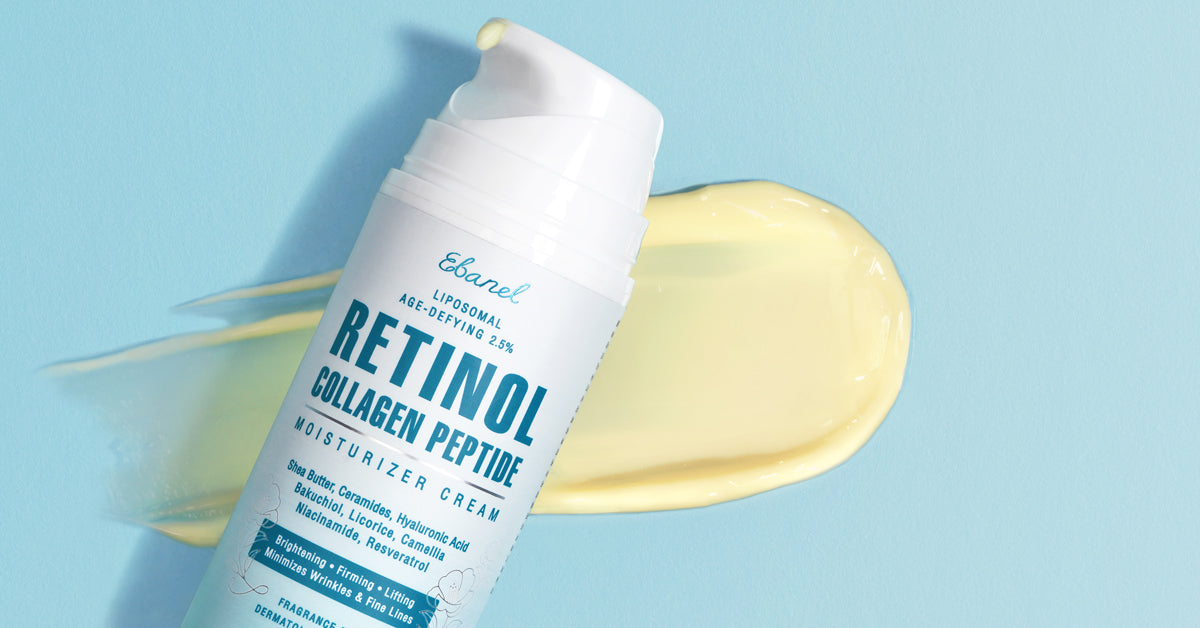
Why You Need a Retinol Moisturizer in Your Winter Skincare Routine
Encapsulated retinol + hydration heroes for smooth, firm, winter-ready skin without irritation.
Learn more
What Are the Benefits of Retinol?
Retinol is one of the most researched and dermatologist-recommended ingredients in skincare. Derived from vitamin A, it’s known for its ability to improve skin tone, texture, and overall appearance. What Does Retinol Do for the Skin? 1. Softens Fine Lines and Wrinkles Retinol supports the skin’s natural renewal process and helps improve collagen production over time. This can reduce the visibility of fine lines and wrinkles, especially with consistent use. 2. Brightens Uneven Skin Tone Hyperpigmentation, dark spots, and post-acne marks often fade more quickly when retinol is part of your routine. It helps encourage cell turnover, allowing newer skin to appear more evenly toned. 3. Smooths Texture and Refines Pores Retinol helps shed dead skin cells more efficiently, which can improve texture and reduce the appearance of enlarged pores or rough patches. 4. Targets Breakouts For acne-prone skin, retinol can help keep pores clear and reduce the frequency of blemishes. It also minimizes post-acne marks with time. 5. Supports Skin Barrier Recovery When combined with hydrating and calming ingredients, retinol can help maintain skin health and resilience, not just treat surface concerns. Ebanel Liposomal Retinol Peptide Serum Our Liposomal Retinol Peptide Serum was developed to deliver the benefits of retinol at a cost-effective price. It’s lightweight, gentle, and well-suited for daily use. Key Benefits: Helps minimize the appearance of fine lines and wrinkles Brightens skin tone and dull areas Improves skin texture and smoothness Minimizes the appearance of acne scars and dark spots Supports skin hydration and repair What Sets It Apart: This formula combines retinol and retinyl palmitate with peptides, niacinamide, alpha-arbutin, and witch hazel. The liposomal delivery system enhances absorption while reducing the likelihood of dryness or redness. Suitable for: Normal, Dry, Mature, Acne-prone, Oily, and Combination. Potential Drawbacks of Retinol While retinol offers many benefits, it’s not without its challenges, especially at the start. Here's what to keep in mind: 1. Initial Dryness or Peeling As your skin adjusts, you might experience dryness, flaking, or mild peeling. This is a normal part of the adjustment phase and usually improves with regular use and added hydration. 2. Redness or Sensitivity Retinol can cause temporary redness or sensitivity, particularly in individuals with sensitive skin or when used excessively initially. 3. Sun Sensitivity Retinol can make your skin more vulnerable to UV damage. Using retinol products, daily SPF 30 or higher is essential. 4. Not Recommended During Pregnancy Topical retinoids, including retinol, are not advised for use during pregnancy or while breastfeeding. 5. Adjustment Period It may take up to 4 weeks, or longer, for visible results to appear. Some users may be tempted to stop using retinol too early, but gradual, consistent use is important. Tips for Getting Started with Retinol Begin slowly, especially if you’ve never used a retinoid. Always wear SPF 30+ during the day. Use a gentle cleanser and moisturizer alongside retinol to reduce dryness. Expect to see results in 4–6 weeks with consistent use.
Learn more
Day & Night Glow: How to Use Ebanel Vitamin C and Hyaluronic Peptide Serums
Simplify your skincare with a powerful AM/PM serum duo. Learn how to use Ebanel’s Liposomal Vitamin C 20% Serum in the morning and Liposomal Hyaluronic Peptide Serum at night to boost hydration, brighten skin tone, and support a radiant complexion around the clock.
Learn more
How Does Vitamin C Help With Discoloration?
Dark spots, sun spots, post-acne marks, and overall uneven skin tone are among the most common skin concerns. Many of us search for that one product that can visibly brighten and even out our complexion. One of the most researched and effective solutions? Vitamin C. Our Liposomal Vitamin C 20% Serum is specifically designed to address discoloration directly. But how exactly does Vitamin C work to fade these stubborn spots and reveal a more radiant complexion? How Discoloration Develops Skin discoloration typically results from hyperpigmentation, which occurs when an excess of melanin, the pigment responsible for skin color, is produced. Common triggers include: Sun exposure (UV damage): Stimulates melanin production as a defense mechanism. Post-inflammatory hyperpigmentation (PIH): Dark spots that remain after acne or other skin injuries. Hormonal changes: Conditions like melasma can cause patchy discoloration. Aging: Over time, uneven pigmentation and age spots can develop. The Role of Vitamin C in Helping Discoloration 1. Neutralizes Free Radicals Vitamin C’s antioxidant properties help neutralize free radicals, unstable molecules caused by UV rays, pollution, and stress, that accelerate pigment formation and skin damage. By protecting skin from oxidative stress, Vitamin C helps prevent new discoloration from forming. 2. Promotes Skin Renewal Process Vitamin C also supports the skin’s natural process of collagen synthesis, which helps support the skin’s structure and accelerates renewal. Healthier, stronger skin renews itself more efficiently with a brighter complexion. 3. Soothing Effects Vitamin C’s soothing benefits help calm irritation and redness, which often accompany or worsen hyperpigmentation, especially in post-acne marks. Why Liposomal Delivery Matters One challenge with Vitamin C is its instability; it can oxidize quickly when exposed to air, light, and heat, losing its effectiveness. Our Liposomal Vitamin C 20% Serum is designed with advanced liposomal encapsulation technology, which: Protects Vitamin C from premature degradation. Enhances deeper skin penetration. Improves absorption and effectiveness. This means more Vitamin C reaches your skin cells, where it can do its brightening work. The Power of Supporting Ingredients Our formula doesn’t rely on Vitamin C alone. It also contains: Ferulic Acid: Stabilizes Vitamin C and enhances its brightening effects. Vitamin E (Tocopherol and Tocopheryl Acetate): Works synergistically with Vitamin C to provide additional antioxidant protection and enhance skin barrier function. Sodium Hyaluronate: A form of hyaluronic acid that hydrates, plumps, and supports skin renewal. Panthenol (Provitamin B5): Calms and moisturizes to ease irritation. Retinyl Palmitate (Vitamin A derivative): Supports gentle skin renewal for a smoother texture. How to Use for Best Results Start slowly: If you’re new to Vitamin C, apply every other day to allow your skin to adapt, then gradually increase to daily use. Patch test: As with any active ingredient, always perform a patch test before first use. Apply on clean skin: Use 4-5 drops on your face and neck, gently massaging until fully absorbed. Follow with SPF: Vitamin C enhances your skin’s protection, but using sunscreen daily is essential to prevent further discoloration. When to Expect Results Consistent use is key. Many users report their skin looking brighter and more even-toned after about 4 weeks of consistent use with continued improvement over time. Reveal Your Brightest Skin Yet Discoloration can be stubborn, but with the right approach and ingredients, a more radiant, even-toned complexion is possible. Our Liposomal Vitamin C 20% Serum combines potent brightening with advanced delivery technology to help you achieve clearer, healthier-looking skin at an accessible price.
Learn more
Acne: Stages, Scars & Solutions
June marks Acne Awareness Month, a time to shed light on a common skin condition that affects people of all ages. In the United States alone, it's estimated that up to 50 million people are affected by acne. While acne is often associated with teenagers, many adults struggle with it too, along with the dark spots and scars it can leave behind. The Stages of Acne Acne develops in stages, and each requires a different approach: Stage 1: Clogged Pores (Blackheads & Whiteheads) This is the earliest stage of acne when pores become blocked with excess oil, dead skin cells, or product buildup. These may appear as small bumps or tiny black or white dots on the skin. Stage 2: Inflammation (Papules & Pustules) When bacteria enter clogged pores, it causes inflammation. This leads to red, swollen pimples or pus-filled blemishes that are tender to the touch. Stage 3: Severe Acne (Nodules & Cysts) In more advanced stages, acne becomes deep, painful, and more prone to scarring. These breakouts extend below the skin's surface and require targeted treatment to reduce inflammation and prevent long-term damage. Targeting Active Acne: Bio Drying Lotion For inflamed breakouts and pesky spots, Bio Drying Lotion is a fast-acting solution. This targeted solution helps dry out blemishes overnight, reducing redness and swelling by morning. It’s perfect for those sudden, stubborn breakouts in Stage 2 and even early-stage cysts. Simply dip a cotton swab into the solution and apply directly to the blemish; no rubbing needed. Clearing Dark Spots: AHA+BHA & Scar Master Even after the blemishes fade, acne can leave behind dark marks or uneven texture. That’s where post-acne care becomes essential. AHA+BHA Peel Our AHA+BHA formula exfoliates the skin, removing dead cells and excess oil while encouraging cell turnover. This dual-action blend helps prevent future breakouts and fades discoloration from past acne. Scar Master Designed specifically for post-acne marks, Scar Master targets scarring and supports skin healing. With consistent use, it helps reduce the appearance of post-acne scars and old scars. Pro Tips for Acne-Prone Skin Wash your face twice daily with a gentle cleanser. Avoid picking or popping pimples to reduce scarring. Use non-comedogenic skincare and makeup products. Apply SPF daily; UV exposure can worsen dark spots. Stay consistent! Results take time, but are worth the wait. Consult with a dermatologist; some breakouts can be managed on your own, but if your acne is consistently an issue, it's best to speak with a professional. Celebrate Acne Awareness Month with Confidence Every step of your unique skin journey, from targeting breakouts to healing from past ones, can be supported by products like Bio Drying Lotion, AHA+BHA Treatment, and Scar Master.
Learn more
How to Do a Chemical Peel at Home with Ebanel’s 30% AHA + 2% BHA Gel
Looking for a way to refresh your skin without heading to the spa? The Ebanel 30% AHA + 2% BHA Chemical Peel Exfoliant Gel is an at-home solution that can help you minimize acne scars, dark spots, fine lines, and more. Here’s a guide on how to use it safely and effectively, along with some tips to ensure you achieve the best results. Why Use Ebanel’s Chemical Peel Gel? This at-home peel combines Glycolic Acid, Lactic Acid, Salicylic Acid, and Mandelic Acid to exfoliate dead skin cells, revealing fresher, brighter skin underneath. With regular use, this peel can help: Fade acne scars and dark spots Smooth out fine lines and wrinkles Decrease blackheads and clogged pores Even out skin tone Always Start with a Patch Test Before applying the peel to your entire face, it’s essential to conduct a patch test. Apply a small amount to a small area of skin, such as your jawline, and wait 24 hours. If there’s no irritation or redness, you’re good to go. How to Use the Ebanel Chemical Peel at Home Step 1: Start with a gentle cleanser to remove any makeup, sunscreen, and dirt. Pat your skin dry with a soft towel. Step 2: Apply a thin, even layer of the peel gel to your face using your fingertips or a cotton pad. Avoid sensitive areas like around your eyes and lips. If it’s your first time, leave the peel on for just 1 minutes. Over time, you can gradually build up to 5 minutes as your skin gets used to it. Step 3: You’ll probably feel a tingling or slight burning sensation; this is normal! Step 4: Use cool water to rinse your skin thoroughly. Pat dry with a clean towel. Step 5: Follow up with a hydrating serum or moisturizer. Your skin might feel extra sensitive, so avoid using other exfoliants for a few days. And don’t skip sunscreen! Your skin will be more sensitive to the sun after using a chemical peel, so SPF 30 or higher is essential. Pro Tips for the Best Results Use the peel once every 1-2 weeks at first. Overdoing it can lead to irritation. Moisturizing helps soothe and protect your skin after peeling. Avoid other strong exfoliants for a few days after using the peel, this gives your skin time to recover. If you notice prolonged redness, burning, or peeling, take a break. Who Should Skip This Peel? If you have very sensitive skin, active eczema, rosacea, or open wounds, it’s best to check with a dermatologist before using this product. If you’re pregnant or breastfeeding, always consult your doctor first. Final Thoughts Doing a chemical peel at home with the Ebanel 30% AHA + 2% BHA Chemical Peel Exfoliant Gel can help your skin. Just be patient, start slow, and always prioritize hydration and sun protection.
Learn more
How to Prep Your Skin for Summer (Without Breaking Out)
Warmer days are here, and so are the skincare challenges that come with them—sweat, clogged pores, and surprise breakouts. This guide breaks down simple, effective tips to keep your skin clear, hydrated, and glowing all summer long. From lightweight serums and non-comedogenic sunscreen to gentle exfoliation, here’s how to prep your skin for summer without overwhelming your routine.
Learn more
Sheet Mask vs. Hydrogel Mask: What’s the Difference and Which One’s Right for You?
When it comes to at-home skincare treatments, few things feel more satisfying than a good mask session. But with so many options—especially between sheet masks and hydrogel masks—it’s easy to wonder: What’s the real difference, and does it matter? Spoiler: it does. The Basics: Sheet Mask vs. Hydrogel Mask Sheet Masks Think of these as skincare’s classic comfort food—reliable, nourishing, and effective. Made from soft materials like cotton or microfiber, they’re soaked in skin-loving essences and deliver an instant boost of hydration and nutrients. Hydrogel Masks These are the next-gen versions—sleeker, cooler, and often infused with more concentrated ingredients. The gel material not only clings to the skin like a second layer, but it also reacts to body heat to dissolve active ingredients directly into the skin for enhanced absorption. Material & Texture Sheet Mask: Lightweight, soft fabric. Easy to apply and remove. Hydrogel Mask: Thick, jelly-like texture. Feels cooling and luxe, contours tightly to the face. Absorption & Wear Time Sheet Mask: Great for quick hydration. May dry out after 15–20 minutes. Hydrogel Mask: Longer wear time without drying. Helps lock in moisture more effectively. When to Use What Reach for a Sheet Mask when skin is feeling dull, dry, or stressed from a long day. Opt for a Hydrogel Mask for those moments when skin needs a little extra TLC—before an event, after sun exposure, or anytime a spa-like reset is in order. The Best of Both Worlds If you're looking for masks that combine all the best features of both sheet and hydrogel options, our Hyaluronic Collagen Sheet Mask and Hyaluronic Collagen Hydrogel Mask deliver just that. Hyaluronic Collagen Sheet Mask An intensive 20-minute treatment featuring hyaluronic acid, marine collagen, peptides, and fruit stem-cell extracts. This mask is made of biodegradable microfiber that is thicker, softer, and fits the face better, ideal for smoothing fine lines, brightening tone, and locking in moisture. It’s especially great for those battling dryness, large pores, or free radical damage. Ultra-adherable Prevents evaporation Brightens and revitalizes Hyaluronic Collagen Hydrogel Mask A premium gel mask infused with stem cell extracts, vitamins, peptides, and hyaluronic acid. This mask holds 50% more essence than a standard paper face mask, works with your skin’s temperature for deeper hydration and visible lifting effects. It’s perfect for achieving that plump, dewy glow, making it an ideal treatment for stressed or mature skin. Spa-like cooling sensation Deep hydration and skin-firming benefits Ideal for mature or stressed skin Both of these masks offer superior hydration, intense skin benefits, and luxurious at-home spa experiences, giving you the ultimate solution for both quick hydration and long-lasting results.
Learn more
Why Untreated Scars Worsen Over Time: The Science Behind Scar Formation
Scars are a natural part of the skin’s healing process after injury, surgery, or trauma. But did you know that if left untreated, scars can become more pronounced and difficult to manage over time? This happens due to a biological process called trans-epidermal water loss (TEWL), which leads to excessive collagen production and abnormal scarring. What is Trans-Epidermal Water Loss (TEWL)? TEWL happens when water from the deeper layers of the skin, the dermis and epidermis, evaporates through the skin’s surface. Normally, the skin forms a protective barrier that maintains hydration and prevents excessive water loss. However, this barrier becomes compromised when the skin is damaged, whether from a cut, burn, or acne. In the case of scar tissue, TEWL remains elevated for up to one year after the wound has healed, leaving the skin vulnerable to dehydration and inflammation. How TEWL Affects Scar Tissue: Increased Dehydration: Scar tissue loses moisture faster than normal skin. Triggering Cytokine Production: Keratinocytes (skin cells) respond to water loss by producing cytokines, which are small proteins that signal the activation of fibroblasts. Overproduction of Collagen: Fibroblasts respond by generating excessive collagen to repair the damage, but when this process is unchecked, it can lead to hypertrophic scars or keloids, thick, raised scars that form due to abnormal collagen buildup. Scar Master is a go-to solution for minimizing scars across various situations, from medical procedures to everyday skin concerns. Here are some of the most common applications: Cosmetic Surgery: Popular in the aesthetics field, Scar Master helps improve post-procedure scars from facelifts, breast augmentations, tummy tucks, and liposuction. Plastic and Reconstructive Surgery: Assists in reducing visible scarring from reconstructive procedures, including scar revision surgeries. C-Section & Surgical Scars: Supports healing for post-surgical scars by improving texture, color, and flexibility. Burns & Injury Scars: Helps hydrate and soften scar tissue from burns, cuts, or other skin trauma. Acne Scars: Used to smooth and improve the appearance of stubborn acne scars over time. Stretch Marks: While not scars in the traditional sense, Scar Master’s hydrating and skin-renewing properties help improve the look of stretch marks. By incorporating Scar Master early in the healing process, scars can fade more smoothly and become less noticeable over time. The Vicious Cycle of Untreated Scars When TEWL is left unmanaged, it creates a cycle where the skin continuously signals for collagen production, leading to thicker, more rigid scar tissue. This process can result in: Increased Scar Height: Collagen accumulates excessively, causing the scar to rise above the skin’s surface. Discoloration and Hyperpigmentation: Inflammatory responses can darken the scar, making it more noticeable. Loss of Flexibility: Scar tissue lacks the elasticity of normal skin, leading to stiffness, tightness, and discomfort. How Scar Master Helps Scar Master is specially formulated to address TEWL and prevent excessive collagen buildup by: Regulating Keratinocyte Stimulation: Scar Master’s Dimethicone forms a breathable, hydrating barrier that locks in moisture, reducing TEWL and preventing the overstimulation of fibroblasts. Promoting Healthy Skin Regeneration: Ingredients like Allantoin, Plankton Extract, and Vitamin E hydrate, soothe, and encourage cell turnover, helping to soften scar tissue. Vitamin E is known for its antioxidant properties and ability to support skin repair, reduce discoloration, and improve scar texture. Inhibiting Excess Collagen Production: Onion Bulb Extract helps prevent excessive collagen buildup, reducing the height and thickness of scars over time. Why Timing Matters: Treat Scars Early The best way to prevent abnormal scarring is to start treatment after the wound has fully closed and new skin has formed. Applying Scar Master during this critical phase can regulate moisture levels, promote healthy cell turnover, and prevent excessive collagen formation. For New Scars: Apply Scar Master 2-4 weeks after injury or surgery, once scabs have naturally fallen off and stitches have been removed For Old Scars: Consistent use of Scar Master can help soften and improve the texture of scars that are months or even years old, although results may take longer. Final Thoughts: Don’t Wait to Treat Scars Leaving scars untreated allows excessive water loss and collagen overproduction to take control, creating thicker and more visible scars. With Scar Master, you can effectively improve the texture, color, and flexibility of your skin.
Learn more